

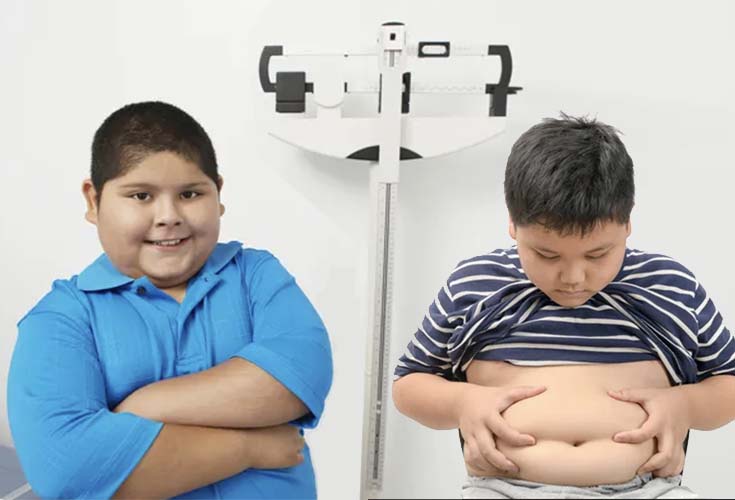
Many families aim for healthier routines, but busy days often derail good plans. Childhood obesity prevention starts with steady habits at home, not fear or shame. Kids in plus-size bodies deserve respect, comfort, and support every day. High BMI is connected to genetics, stress, sleep loss, or limited safe play, while food marketing and busy schedules can present obstacles. Small steps still change patterns over time. This post shares simple ways to model balance, build skills, and guide kids gently, keeping healthy choices doable.
Small Family Routines That Create Big Results
Small routines shape health more than big promises. Families succeed with simple steps each day—plan meals at similar times, keep healthy snacks visible, and prioritize family dinners, even if quick. Structure lowers stress and reduces grazing. Build a short weekly shopping list and prep a couple of items on weekends. Serve desserts neutrally, so treats are normalized. Also, add family walks after dinner twice a week. Over time, these habits feel natural and steady.
Parents as Role Models: Kids Copy What They See
 Children watch adults closely, so your habits teach more than your words. Drink water often, and choose balanced snacks without making a speech. Speak kindly about your body, and avoid harsh comments about weight. Kids in plus-size bodies need safety, respect, and steady care. Serve the same foods to everyone, with small choices on the side. However, avoid using food as a reward for good behavior. Try praise, playtime, or stickers instead. Sit together for meals when possible, and put phones away.
On the other hand, keep expectations realistic on busy days. Pack simple lunches, like turkey wraps or hummus plates. Model calm eating, and stop when you feel satisfied. These moments teach kids how to eat with confidence.
The Foundational Power of Daily Nutrition for Lifelong Habits
Children develop food preferences and eating patterns through everyday routines, which makes regular meals a practical way to shape long-term habits. Consistent breakfasts, lunches, and snacks help support stable energy, attention, and mood throughout the day. Balanced plates that include protein, fiber, and healthy fats—such as eggs with fruit, yogurt with oats, or beans paired with whole grains—introduce variety while meeting growth needs. Early exposure to these meals helps children build a positive, relaxed relationship with eating, where food supports daily life rather than becoming a source of pressure.
Within this foundation, food plays a big role in how dietary patterns influence children’s energy levels, physical growth, and healthy weight management when nutrition works alongside regular movement and play. This partnership between meals and activity also supports muscle growth and repair, bone strength, and cognitive function by fueling both the body and the brain. Thoughtful snacks before sports or active time can sustain performance and focus, while simple structures like set snack times and limited choices promote consistency without control. When families model these habits together, children learn that nutrition and activity naturally reinforce each other as part of an active, balanced routine.
Childhood Obesity Prevention: Movement That Feels Fun, Not Like Punishment
Kids move more when movement feels playful and social. Choose activities that match your child’s interests and comfort level. Dance in the living room, play tag, or take park walks together. Keep sports low-pressure, and celebrate effort over skill. Nevertheless, limit long sitting stretches with short movement breaks. Set a timer, then stretch, jump, or do a quick hallway race.
Keep family time active, like weekend hikes or bike rides. Hence, kids connect activity with joy instead of stress. Support plus-size kids with respectful options, like swimming or non-competitive games. Avoid comments that link exercise to weight loss. Talk about strength, energy, and better sleep instead—pair movement with balanced meals and steady hydration. Over time, active habits become part of daily life.
Screen Time and Sleep: The Hidden Habit Pair
Sleep and screens shape eating patterns more than many parents expect. Late nights often increase cravings and reduce patience at meals, which can disrupt healthy routines. Research supports this connection. According to the Sleep Foundation, children who do not get enough sleep are significantly more likely to experience weight-related challenges, as short sleep duration affects appetite-regulating hormones and increases snacking and calorie intake.
Because of this link, a calm bedtime routine matters. Reading, dim lighting, and predictable wind-down cues help the body prepare for rest. Try to keep the same bedtime on school nights and weekends when possible. Busy evenings will still happen, so aim for consistency rather than perfection. Place chargers outside bedrooms and set a clear screen curfew.
Use meals as tech-free moments to talk and reconnect. Mornings run more smoothly when children sleep enough, and a rested child responds better to hunger cues and emotional shifts. Encourage outdoor play after school to limit scrolling time. Keep screens away from snack moments to avoid mindless eating. Together, these habits support childhood obesity prevention while improving focus, energy, and overall family rhythm.
Support Without Pressure: Talking About Weight with Care
Health talks work best when they feel calm and respectful. Focus on habits like meals, sleep, and activity rather than body size. Use supportive words for kids in plus-size bodies, and protect confidence. For this reason, avoid blame and avoid diet talk at home. Replace “lose weight” with “build strong habits” and “feel more energy.” Ask your child how they feel during sports, school, and meals.
Listen first, then suggest one small change together. Whereas teasing harms mental health, encouragement builds trust and openness. Offer family-wide habits, so no child feels singled out. If concerns happen again, talk with a pediatrician for guidance that fits your child.
A Simple Family Plan You Can Start This Week
Start with one food habit and one movement habit, then repeat them all week. Pick a simple breakfast like eggs and toast or yogurt and fruit. Pack one go-to snack, like nuts, cheese, or sliced apples. Keep water bottles filled and easy to reach. Choose one fun activity, like a walk after dinner or a weekend bike ride. Write the plan on the fridge, and check it off together. Keep goals small, and celebrate follow-through.
Above all, treat setbacks as normal, not as failure. If schedules change, return to the plan for the next meal. Ask kids to help choose meals and activities, so they feel ownership. These steps build steady habits that support health for the whole family.
Healthy Habits Today, Stronger Futures Tomorrow
Childhood obesity prevention works best with steady family habits that feel realistic each day. Keep meals balanced, water simple, and movement fun. Use kind words for kids in plus-size bodies, and avoid shame. In short, small steps build lifelong health. Start today and stay consistent.
 Author’s Bio: Susanah Roger is a wellness writer specializing in childhood nutrition, healthy routines, and preventative lifestyle habits. Her work focuses on practical, evidence-informed approaches that help families support children’s health without stigma, pressure, or unrealistic expectations. Drawing on everyday family dynamics, Susanah translates research into clear, achievable strategies that fit real schedules and encourage balanced growth, positive food relationships, and active living for all children.