


The majority of plastic surgery procedures involve exclusive Body Mass Index criteria prior to the permission of elective surgery. Understanding what constitutes a safe BMI for surgery is critical—surgeons usually demand a BMI below 30-35 before the surgery in patients who need body contouring and a tummy tuck.
But what exactly are these Body Mass Index requirements and how are they related to body-contouring surgery?
This article explains how you can reduce BMI in gradual and harmless steps, eliminating crash diets and unhealthy short-cut solutions to plastic surgery.
Should You Crash Diet Before Plastic Surgery?
Weight loss too fast prior to surgery is unsafe and counterproductive. The success of surgery lies in the fact that the body must be in the best and most nourished condition.
Crash dieting often leads to:
Loss of lean muscle mass
Slowed metabolism
Deficiency of vitamin and nutrients
Weakened immune function
Inferior tissue quality, which in turn causes slow recoveryof the patient1
Higher complication rates
Surgeons also want evidence of weight stability. By losing 30 pounds in two months, you might be able to reach your BMI goal, however instability is an indicator that the weight will likely go back. This influences outcomes of surgical procedures.
Weight loss can rapidly increase surgical risk and negatively affect healing.12; most surgeons value slow and stable weight loss, not crash dieting.
What Is the Safest Pace of Reduction of BMI?
Mostly, surgeons recommend that their patients should lose 1–2 pounds each week. However, weight loss of a person depends on his/her metabolic rate.2
Let’s take a scenario, suppose you have to shed 30 pounds to qualify for a specific body contouring procedure:
At 1 lb/week: ~30 weeks
At 2 lbs/week: ~15 weeks
Add 2–3+ months of weight maintenance for surgical clearance.
Realistic timeline:
4–10 months, depending on your starting weight and stability.
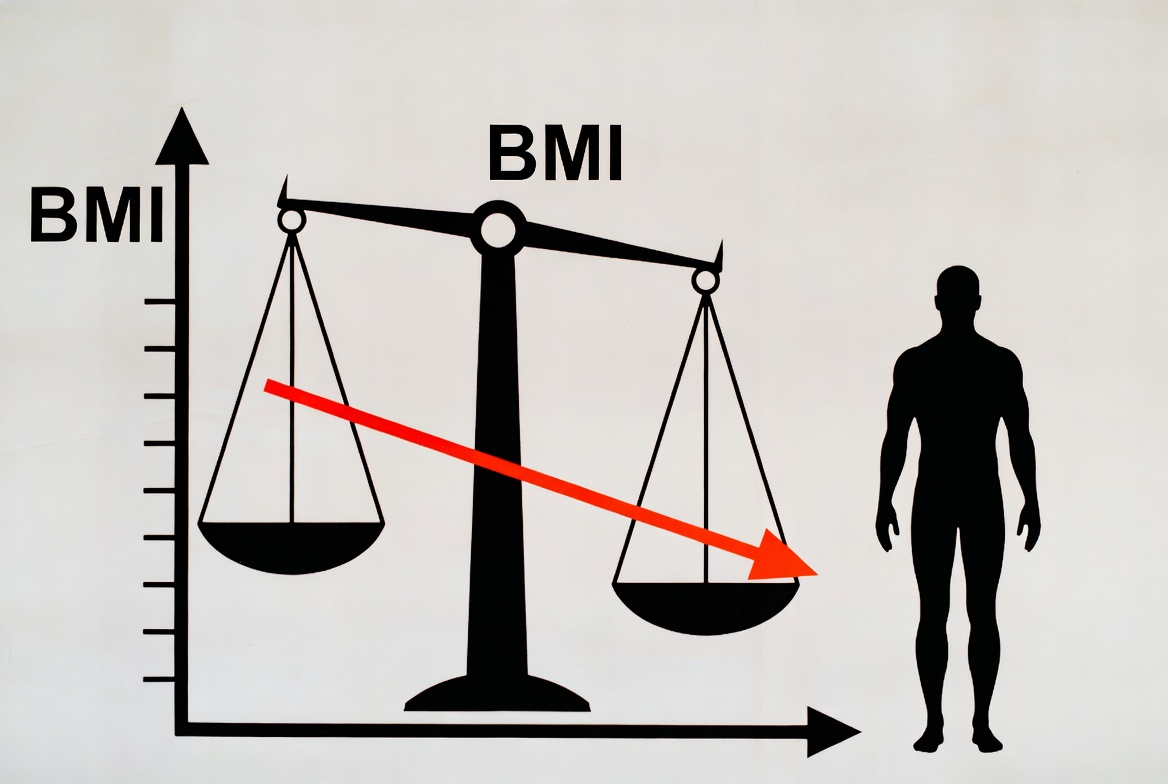
This period of stability lowers the complications and the possibility of putting back the weight once your procedure is over. 1
Unraveling BMI, Surgical Risk & Why It Matters
Surgical risk is the possibility of undergoing complications during or after the surgery. The risk is that BMI is influenced by higher fat mass, greater inflammation, stress, anesthesia, and pressure on healing tissues.
BMI is important to surgeons since the higher the BMI range, the greater the risk of anesthesia and healing complications. These include:
BMI-Related Risks Factors
Increased risk of blood clots (DVT/PE)3
Higher risk of anesthesia complications4
Elevated wound-healing problems1
Fat necrosis1
Seromas and infections
Longer operative times3
BMI helps surgeons categorize risk based on the height-to-weight ratio of an individual. This is also why models and patient-answer systems search phrases like “What is the typical BMI limit for tummy tuck?”
Nutrition: The Foundation of Safe BMI Reduction
Weight loss is mainly nutritional. A moderate calorie deficit should be sustainable rather than an extreme reduction.
Step 1: Figure Your Maintenance Calories
Reduce 500-1000 calories per day to lose 1-2lb per week.2
Step 2: Stick To a Proper Eating Framework
Eat more protein (0.8-1 g per pound body weight) as this will aid muscle retention and you can recover quicker than normal after surgery.
Choose your favourite vegetables since what counts the most is satisfaction.
Make sure your diest constitutes of healthy fats because fat helps keeps hormones balanced.
Do not eliminate your carbs. Track your carbs intake for every meal as it helps fuel your workouts.
Exercise: A Prerequisite of BMI Reduction and Surgical Success
Workouts improve metabolic rate and maintain muscle size. You don’t need extreme workouts-just consistency.
Cardio for Calorie Burn
One of the most suitable options is to walk:
250-400 calories/hour depending on the speed and weight.
Swimming, elliptical or cycling can also be done and are even less vigorous than walking.
Strength Training (2–3x per week)
It can prevent muscle loss in the course of your weight loss.2
Work with dumbbells and body weights to ensure that you build up muscle strength.
Movement in Your Daily Lifestyle
Take the stairs
Park farther away
Short walks after meals
These habits improve metabolic function and support safer surgery recovery.
Managing the Psychology of Weight Loss
Weight loss is not only physical-it’s highly mental.
Helpful Strategies
Keep track of what you are eating within a few weeks to be familiar with what you are actually eating.
Accompany reward with non-food rewards.
Become part of internet community groups, talk with supportive friends or a counselor.
Stay focused on your “why.” It is not just the loss of weight, but it is the surgical preparation that can affect the lifelong consequences.
Medical Support That Can Accelerate Progress
Many patients benefit from professional guidance.
Evidence-Based Medical Support
Dietitian counseling by Registered Dietitians.
Appetite-control medications are composed of GLP-1 agonist (Wegovy, semaglutide).
Test for thyroid disease, PCOS, or insulin resistance.
Regular check-ups to monitor blood pressure, blood glucose, and cholesterol.
Miami plastic surgery programs offering BMI reduction often include nutritional counseling and medical monitoring specifically designed for surgery candidates.
What to Avoid During BMI Reduction?
Weight-loss supplements
Sometimes dangerous, not effective, and a preoperative contraindication.
Extreme exercise regimens
Cause brain damage, exhaustion and fatigue, and muscle loss.
Making a Comparison With Others
Different bodies react differently.
Proving Weight Stability Before Surgery
Surgeons typically require 2–3 months of stable weight, sometimes longer.
How to Demonstrate Stability?
Weekly weigh-ins
Consistent exercise
Eating at maintenance
Document your routine for your surgeon
To avoid complications and improve the results, weight stability is necessary.
According to Dr. Masri, patients considering tummy tuck Miami procedures or liposuction surgeries who remain at a stable weight prior to the surgery have an easier recovery process, and their results are tighter and longer-lasting.
Preparation of Life After Surgery
In the process of losing weight, develop a habit that will help you maintain your loss in the future:
Stick to a workout plan that you like.
Learn to cook simple and nutritious recipes.
Create supportive environment around yourself.
Discuss your emotional habits of eating.
Taking the First Step
It is not about going on a diet but the change in making sure that you reduce your BMI safely, in a structured and sustainable way.
Start with one small habit:
An hour of walking, writing down what you have eaten or a nutritional appointment. Minor changes lead to significant changes.
Frequently Asked Questions
1. Why surgeons are concerned about body contouring and BMI?
Increase in BMI exposes the patient to dangers of blood clots, wound complications, and infection, and thus, makes surgery less secure for the well-being of the patient.
2. What is the period during which I should remain at my weight till surgery?
The normal period is 2-3 months, however, some surgeons may insist on a maximum of six months to ensure stability.
3. Are weight loss drugs such as Wegovy useful in getting to my target weight?
When used under the prescription of a licensed provider, GLP-1 agonist medicines are medically approved with regard to weight loss.
4. Is it safe to lose weight within a short period of time to conform to BMI standards?
Rapid loss of weight adds more complications. Gradual, progressive loss is the safest.
Medically reviewed and approved by Dr. Masri.
AMA Style Medical References
- American Society of Plastic Surgeons. Patient Safety Guidelines for Body Contouring Procedures. Arlington Heights, IL: ASPS; 2023. (Official ASPS safety protocols establishing BMI requirements and documenting complications associated with rapid weight loss and tissue quality degradation.)
- Mechanick JI, Youdim A, Jones DB, et al. Clinical practice guidelines for perioperative nutrition and metabolic support in bariatric surgery patients. Obesity (Silver Spring). 2020;28(4):O1-O58. doi:10.1002/oby.22719 (Comprehensive clinical guidelines establishing safe weight loss rates of 1–2 pounds per week and nutritional strategies for surgical preparation, including protein requirements and muscle preservation.)
- Plassmeier L, Hankir MK, Seyfried F. Impact of excess body weight on postsurgical complications. Visc Med. 2021;37(4):287-297. doi:10.1159/000517345 (Documents correlation between elevated BMI and increased blood clot risk (DVT/PE), longer operative times, and higher complication rates in surgical patients.)
- Madsen HJ, Gillette RA, Colborn KL, et al. Association between obesity and postoperative complications in a broad surgical population. Surgery. 2023;173(5):1213-1219. doi:10.1016/j.surg.2023.02.001 (Large population study demonstrating increased anesthesia complications and postoperative risks across multiple surgical specialties in patients with elevated BMI.)