

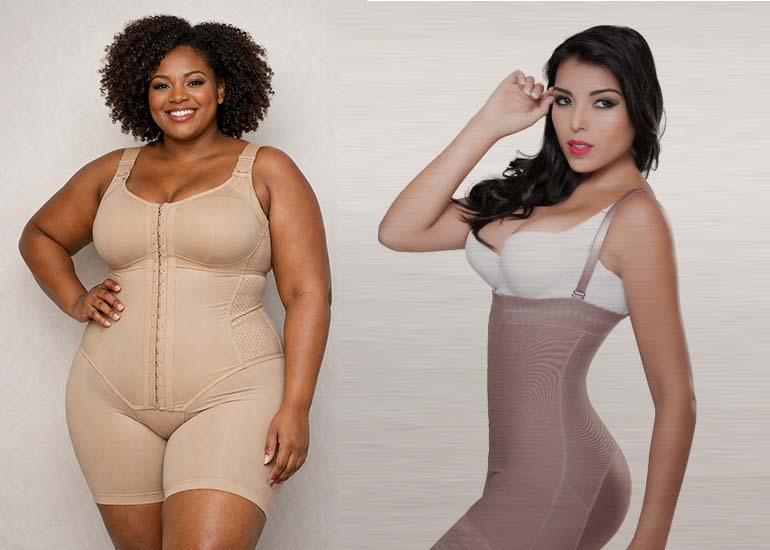
After liposuction, many patients ask how to support healing and maintain contour. One of the most important recovery tools is compression garments after liposuction, which help manage swelling and stabilize tissues as the body adapts to its new shape.
It is usually the first thing they notice, and one of the first questions I hear during follow-up visits.
“Do I really have to keep wearing this?”
My answer is always the same.
Compression garments are not simply recovery clothing. They are part of the postoperative strategy that helps guide healing after liposuction.
After more than 20 years of performing body contouring surgery and completing thousands of liposuction procedures, I have consistently observed that patients who follow compression instructions closely tend to experience smoother recovery and more stable contour outcomes.
To understand why compression matters, it helps to understand what actually happens beneath the skin during liposuction surgery.
What Happens Under the Skin During Liposuction?
Liposuction removes subcutaneous fat, the layer of fat located just beneath the skin. It can assist in the separation of fat cells from the adjacent tissues, decrease bleeding, and preserve small blood vessels and nerves in the process of fat removal.
After the loss of fat, the empty space that was occupied by fat becomes temporary. The body starts its natural process of healing at that stage: fluid moves into the treated area, inflammation develops, and lymphatic drainage slows temporarily.
Clinical research has shown that compression can reduce postoperative edema and support controlled tissue healing.1
A Surgical Insight I Often Share With Patients
Among the trends I have noticed throughout the years of conducting liposuction is that the behavior of swelling in the initial weeks is a very predictive measure of how smooth the recovery will be.
Regions like the lower abdomen, flanks, and outer thighs may swell differently depending on gravity, tissue thickness, and the extent of fat removed. Compression garments provide constant external pressure that aids in directing fluid movement and pushing tissues to move uniformly as new tissue heals.
For that reason, I tell patients that compression is not simply about reducing swelling. It is about guiding how tissues reconnect and stabilize after surgery.
How Compression Garments Improve Liposuction Recovery
Compression helps recovery in several important ways. In my surgical planning, I focus on four main benefits.
1. Controlling Postoperative Swelling
Swelling is the body’s natural inflammatory response after surgery. Some swelling is expected and necessary for healing. However, excessive swelling can temporarily distort contour results and prolong recovery.
Compression garments apply even pressure across treated areas, which helps limit fluid accumulation, encourage lymphatic drainage, and maintain smoother contour lines during healing.1
Regular wearing of compression garments after liposuction assists in the reduction of postoperative swelling and aids in the adherence of tissues at the initial stage of healing. Compression always makes the patient go through the swelling stage more comfortably and predictably.
2. Reducing the Risk of Seroma Formation
A seroma is a pocket of fluid that can develop beneath the skin after surgery. Seromas form when fluid collects in the internal space created during fat removal. Compression garments help reduce this risk by gently collapsing that space so tissues can adhere together during healing.2
From a surgical perspective, reducing this internal space allows the body to seal the area more efficiently.
3. Supporting Skin Redraping
Among the ideas I focus on in consultation is this: liposuction is the removal of fat, not making the skin tight.
Once the fat has been removed, the skin has to shrink back and conform to the new shape. The skin in places like the lower abdomen, flanks, and outer thighs has to adapt to a new volume beneath it. Good skin elasticity produces the most natural redraping during recovery, although compression is useful in facilitating that process.2
Compression Garments After Liposuction for Post-Weight-Loss Patients
Patients who have experienced significant weight loss often pursue body contouring procedures. During consultation, I evaluate factors such as post-weight loss surgery BMI, skin elasticity, and tissue quality to determine whether liposuction is appropriate. In my Miami practice, I frequently perform liposuction for patients who have lost weight through bariatric surgery, long-term lifestyle changes, or GLP-1 medications.
These patients may develop stubborn fat deposits or tissue changes that do not improve with weight stability alone. Appropriate candidates typically meet several safety criteria:
- Stable body weight for several months
- Good overall health
- Non-smoking status
- Realistic expectations about contouring results
In carefully chosen patients, liposuction can eliminate 4 to 5 liters of fat in one procedure, in accordance with safety guidelines elaborated in plastic surgery literature.3
What Compression Garments Can — and Cannot — Do
Compression garments provide several important recovery benefits, but they also have limitations.
They help control postoperative swelling, fluid accumulation, skin redraping, and tissue stabilization during healing.1
However, compression garments cannot tighten severely loose skin, remove stretch marks, eliminate cellulite, or cause weight loss. These limitations reflect the biological realities of body contouring surgery. Compression garments simply help create the most controlled healing environment possible after fat removal.
Why Medical-Grade Compression Garments Are Recommended
Patients sometimes ask if they can purchase compression garments on their own. While many garments look similar, medical-grade compression garments designed for surgical recovery provide more consistent pressure.
These garments deliver graduated compression, meaning pressure is strongest where swelling is greatest and gradually decreases outward across the treated area.
For compression to work effectively, the garment must fit the patient’s anatomy precisely, provide appropriate compression levels, and cover the exact surgical treatment zones.
How Long Should Compression Garments Be Worn?
Recovery timelines vary depending on the procedure and the patient’s healing response. In my practice, general guidelines include:
Weeks 1–3
Wear compression garments approximately 23 hours per day, removing them only for bathing.
Weeks 4–6
Gradually transition to nighttime compression, depending on swelling and healing progress. Higher-volume liposuction may require longer compression time.2
Compression garments after liposuction are worn by most patients for several weeks post-surgery, based on the type of surgery and personal healing profile. Regularity in the initial few weeks of recovery is significant in the management of swelling and in providing direction to tissue healing.
A Common Mistake Patients Make
One of the most common recovery mistakes I see is patients stopping compression too early because they begin to feel better after the first week.
Compression garments after liposuction make early recovery more comfortable for many patients by offering support and minimizing movement in sensitive regions. For that reason, I advise patients to follow their full compression timeline, even if they begin to feel comfortable earlier in recovery.2
Real Reviews for Dr. Nick Masri and Plus Size Liposuction
“Dr. Masri is hands down the best surgeon in Miami. From my consultation to my aftercare, Dr. Masri’s bedside manner is top-notch. He leaves you confident in his ability and puts all your fears or concerns to rest. Your safety is his priority. He is always available (even while on vacation). And the end result is phenomenal!!!! I can’t say enough about him. Thank you, thank you, thank you!!!”
“My doctor is amazing, I was admitted and had surgery in a hospital, which afterwards I stayed for a day. I am cut hip to hip but it looks natural. Lipo wasn’t performed because he stated I didn’t need it. Dr. Masri has great bedside manners. Always smiling and joking. The hardest part at day 1 was walking but I’m glad he pushed me to do so. Dr. Masri and staff kept in touch this whole time during recovery. He kept saying to call if I have any issues. Angie would answer 24/7 and walk me through everything — the binder being tight, my constipation, everything.”
You can view examples of the plus-size before-and-after gallery here.
The Bottom Line
Liposuction reshapes the body by removing unwanted fat, but the healing phase determines how the final contour develops. Compression garments help control swelling, stabilize tissues, and support skin redraping during recovery.2
After two decades performing body contouring procedures in Miami, I have consistently observed that patients who follow compression protocols carefully tend to achieve the most predictable surgical results.
When used correctly, compression garments after liposuction support healing, reduce swelling, and help maintain the surgical contour during the early recovery period. As I often tell patients:
“Liposuction shapes the body in the operating room, but recovery with compression garments protects the results.”
Frequently Asked Questions
Are compression undergarments effective in enhancing liposuction results?
Compression garments aid in liposuction recovery because they lower swelling, stabilize tissues, and aid the skin to redrape following fat loss. These effects are capable of enhancing the smoothing of contours in the healing process.1
Can removing compression garments too early affect recovery?
Premature removal of compression garments can result in the development of fluid under the skin, which can further increase swelling and slow the healing process.2
Are medical-grade compression garments necessary after liposuction?
Medical-grade garments are designed specifically for surgical recovery and provide consistent pressure across treated areas. Properly fitted garments are generally more effective than standard compression clothing.3
References (AMA Style)
- Rohrich RJ, Morales DE, Krueger JE, Ansari M, Ochoa O, Robinson JB Jr, Beran SJ. Comparative lipoplasty analysis of in vivo-treated adipose tissue. Plast Reconstr Surg. 2000;105(6):2152–2158. doi:10.1097/00006534-200005000-00039. https://pubmed.ncbi.nlm.nih.gov/10839418/
- Shiffman MA. Complications of liposuction: prevention and management. Clin Plast Surg. 2014;41(4):777–785. doi:10.1016/j.cps.2014.07.012. https://pubmed.ncbi.nlm.nih.gov/25283452/
- American Society of Plastic Surgeons. Liposuction safety information and patient guidelines. American Society of Plastic Surgeons. Updated 2022. Accessed March 10, 2026. https://www.plasticsurgery.org/cosmetic-procedures/liposuction/safety